A three-tier blog strategy, or 3TB, is a focused plan that builds three connected blogs around your most profitable service in your strongest market.
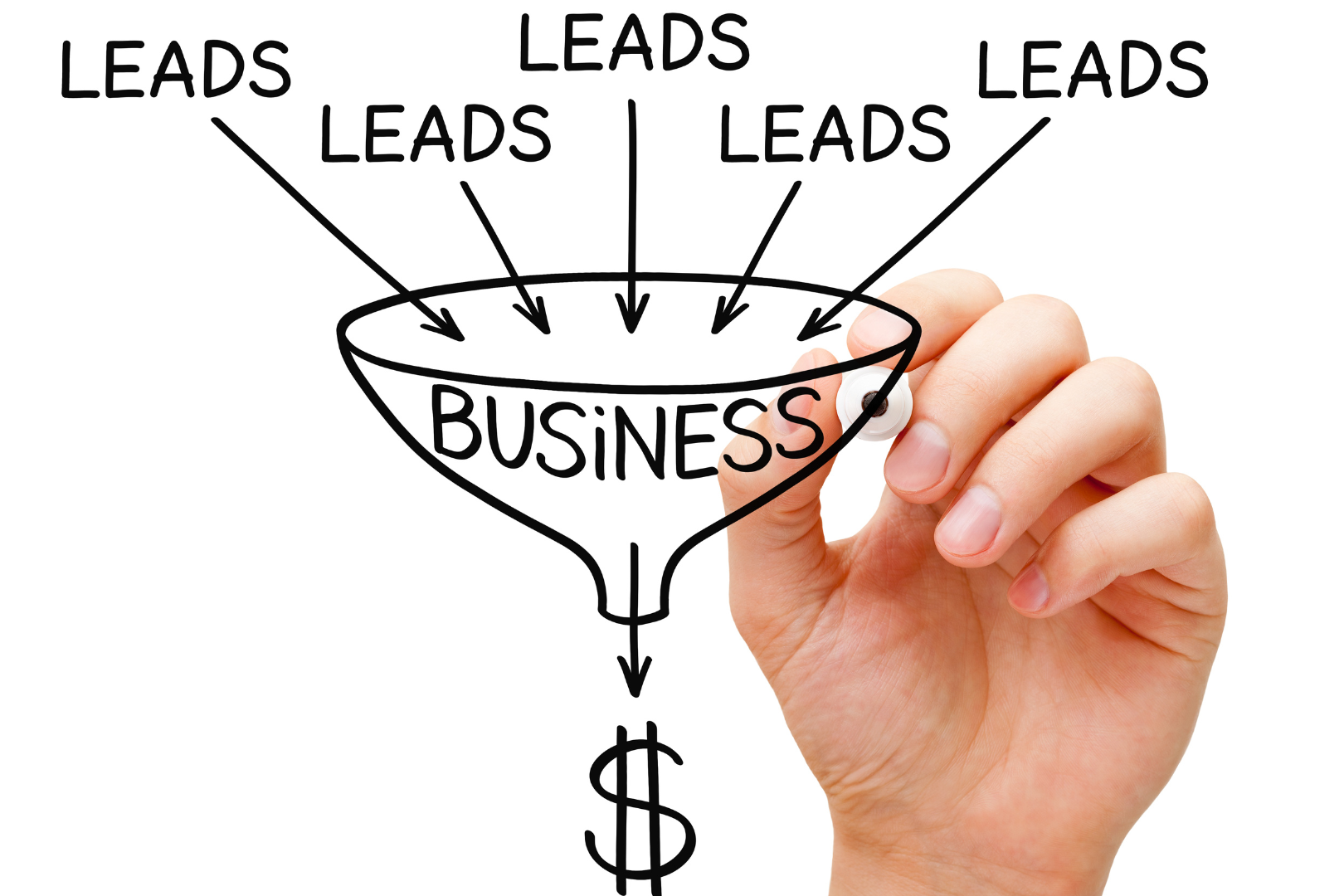
Each blog targets a different stage of the buyer’s journey: top-of-funnel for awareness, mid-funnel for comparison, and bottom-of-funnel for ready-to-buy intent.
Together, they move a searcher from “what is this” to “book my service” without ever leaving your site.
This matters because local search has changed faster in the past year than in the previous decade. Google still drives calls and form fills, but AI systems like ChatGPT, Gemini, Claude, and Perplexity now shape how nearby customers pick a provider. A single generic blog rarely survives in both lanes.
But a 3TB built around your highest-margin service in your best market does.
The strategy works best for ContentMender’s Hyperlocal Lead Gen clients when the focus is tight. Pick your top-earning service, the city or county that drives your revenue, and then build three separate blogs around that pairing.
 Three quick examples show how this plays out across different local service industries.
- Pest control example: “bed bugs in Baltimore.” If bed bug treatment is your highest-margin service and Baltimore is your strongest market, you’d build three separate blogs to own that search. The first answers the “what is it?” questions to help homeowners identify the problem. The second helps them compare professional treatment options against DIY methods. The third closes the sale by providing clear pricing, timelines, and an immediate way to get help.
- Motorcycle dealer example: “used cruisers in Nashville.” If used cruisers drive floor traffic and Nashville is your home market, you’ll want three blogs focused on that pairing. One educates first-time riders on what to look for in a pre-owned bike. Another compares the top cruiser brands and financing paths available in Tennessee. The final piece turns ready-to-buy shoppers into scheduled test rides at your dealership.
- Auto glass example: “windshield replacement in Denver.” If windshield replacement is your primary revenue driver and Denver is your territory, these three blogs point to that specific service. One builds awareness around Denver-specific road hazards and cold-weather damage. The next helps drivers decide whether they actually need a full replacement or just a simple repair. The last one delivers the cost, mobile service details, and insurance guidance they need to book.
Here is how each tier of the 3 TB strategy works, and why local service businesses need all three to win in Google and AI-driven search.
Tier One: The Top-of-Funnel Blog
The first blog in a 3TB builds awareness of a product or solution your brand provides in your industry. These customers are not ready to buy and often are not aware that a problem exists that requires your products or services.
This blog answers broad questions that show up early in a search journey. Think “how do I know,” “what causes,” and “why is this happening in my area.” These blogs build trust and familiarity months before money changes hands.
AI systems favor these blogs when they are written with clarity. Short sections. Direct answers. Local context. Plain language wins every time.
But the articles must always include information that only the company can provide, such as unique strategies, case studies, or solutions.
Hyperlocal examples:
Bed bugs in Baltimore: A blog around the subject “How to Spot Bed Bugs in a Baltimore Row Home” walks readers through early signs, why row homes are especially vulnerable, and what to do before calling a pro. Short sections cover bite patterns, bedding clues, and row-home spread risks.
Used cruisers in Nashville: A blog titled “What to Know Before Buying Your First Cruiser in Nashville” explains rider fit, licensing, Tennessee road conditions, and what to inspect before a test ride. It pulls in first-time buyers months before they visit a dealer.
Windshield replacement in Denver: A blog titled “Why Denver Weather Destroys Windshields” covers hail damage, rock chips on I-70, temperature swings, and how drivers can spot trouble early. It attracts worried drivers before the crack spreads.
Top-of-Funnel Tips
- Write in plain, local-friendly language
- Answer one core question per section
- Anchor every example in the target city or neighborhood
- Link internally to the mid-tier blog for readers ready to compare
- Use FAQ sections that AI can lift as direct answers
Tier Two: The Mid-Funnel Blog
The mid-tier blog will engage readers who know they have a problem. Now they are weighing options. This blog compares treatments, products, approaches, and price ranges to help readers narrow their choices.
This is where most local businesses miss. They skip comparison content because they worry it helps competitors. The opposite is true. When your blog fairly explains options and anchors them in local reality, readers trust you to do the work.
AI systems pull comparison content heavily. Tables, pros and cons, and “when to choose” sections get quoted inside AI answers again and again.
Hyperlocal examples:
Bed bugs in Baltimore: A blog focused on “Heat Treatment vs Chemical Treatment for Baltimore Bed Bug Infestations” compares both approaches side by side. It covers cost ranges, treatment time, safety for pets, and which option works best for row homes and older apartment buildings common in the area.
Used cruisers in Nashville: A blog titled “Harley, Indian, or Metric: Which Used Cruiser Fits Nashville Riders Best” compares brands on resale value, parts availability in middle Tennessee, insurance costs, and ride comfort on routes like the Natchez Trace Parkway.
Windshield replacement in Denver: A blog titled “Windshield Repair vs Replacement in Denver: Which One You Actually Need” compares both options based on crack size, location, Colorado insurance rules, and how altitude and temperature swings affect chip spread.
Mid-Funnel Tips
- Lead each comparison section with a clear answer
- Build a comparison table if more than two options exist
- Tie every option to local conditions or regulations
- Include realistic price ranges for your market
- Link down to the bottom-tier blog for readers ready to book
Tier Three: The Bottom-of-Funnel Blog
The third blog targets the searcher ready to spend. They want cost, timing, availability, and proof that you are the right local provider.
These blogs use transactional language to rank high in search algorithms and influence customers to make a buying decision. Phrases like “cost,” “same-day,” “near me,” “how fast,” and “book today” are essential in headers, calls-to-action, and body content.
This content commonly contains pricing ranges, service area details, response times, and clear calls to action.
AI systems also quote these blogs when a user asks location-specific buying questions. Direct cost blocks, timing checklists, and service-area lists are exactly what assistants return when someone asks, “how much does this cost in my city?”
Hyperlocal examples:
Bed bugs in Baltimore: A blog titled “Same-Day Bed Bug Treatment in Baltimore: Cost, Process, and What to Expect” lists price ranges, service area coverage (Federal Hill, Fells Point, Canton, Hampden), treatment duration, and what to prep before the tech arrives. It closes with booking options and emergency response info.
Used cruisers in Nashville: A blog titled “Best Used Cruisers for Sale in Nashville Under $10K” features current inventory snapshots, financing info, trade-in details, and test ride booking. It speaks directly to buyers who have already compared and are now choosing a specific bike.
Windshield replacement in Denver: A blog titled “Mobile Windshield Replacement in Denver: Same-Day Service and Insurance Help” covers mobile service areas (Aurora, Lakewood, Arvada, Centennial), insurance handling for Colorado’s zero-deductible rule, turnaround times, and safe drive-away guidance after install.
Bottom-Funnel Tips
- Lead with price, timing, and service area
- Add clear CTAs in the first third of the blog
- Name specific neighborhoods you serve
- Address common objections like insurance, warranty, or same-day availability
- Use schema for FAQ, LocalBusiness, and Service
Why the 3-Tier Blog Strategy Works
Most local service blogs fail for one reason. They are written as one-off posts chasing a keyword, not as a system that moves a buyer from curious to committed.
A 3TB fixes this by giving every blog a role.
The top-tier blog builds awareness among people who do not yet know you. The mid-tier blog earns trust with people who are comparing. The bottom-tier blog captures the lead when the buyer is ready.
Each blog links to the next. A reader who lands on “how to spot bed bugs in a Baltimore row home” can click into “heat vs chemical treatment” and then into “same-day bed bug treatment in Baltimore.” That path increases dwell time, lowers bounce rate, and signals topical authority to both Google and AI engines.
Local service businesses benefit most because this system compounds. One tight 3TB around your top service and top market often outperforms fifty scattered blogs. Your highest-margin service gets three layers of visibility instead of one thin surface.
When all three blogs are live, linked, and local, your business shows up inside Google, inside AI assistants, and inside the moment a buyer makes a decision. That is where future growth lives.
FAQs
What is a 3-tier blog strategy?
A 3-tier blog strategy, or 3TB, is a focused plan developed by ContentMender that builds three connected blogs around one profitable service in one target market. Each blog targets a different stage of the buyer’s journey, from awareness to comparison to purchase.
Why should local service businesses use a 3-tier blog strategy?
Local buyers move through stages before booking. A 3TB captures them at each stage with content built for their specific question. This turns one service plus one city into a system that wins in both Google and AI-driven search.
How do I pick the right service and city for my first 3TB?
Pick your highest-margin service and the city or county that drives most of your revenue. Focus beats volume. One tight 3TB around bed bugs in Baltimore will outperform five scattered blogs chasing mixed pests across a region.
Will a 3-tier blog strategy help with AI search tools?
Yes. Each tier is written with clean sections, direct answers, and local context. That structure is exactly what ChatGPT, Gemini, Claude, and Perplexity look for when generating local recommendations.
How long does it take to see results from a 3-tier blog strategy?
Most local service businesses see early traction within three to six months. Blogs ranked for awareness and comparison terms begin feeding the bottom-tier blog with qualified traffic, which lifts conversion volume over time.
Can the 3-tier method be used across more than one service?
Yes. Once the first 3TB is performing, the same framework can be applied to the next profitable service and market pair. Each new cluster compounds the authority of the last.